IMPERIAL COLLEGE LONDON · EARTH SCIENCE & ENGINEERING
Observing change. Understanding Earth’s systems.
From the chemistry of the ocean to landscapes seen from space, we connect observations, models and data science to understand a changing environment and support the energy transition.
ENVIRONMENTAL DIAGNOSTICS & ANALYSISENDIAN / LONDON
ONE ENVIRONMENT. CONNECTED SYSTEMS.
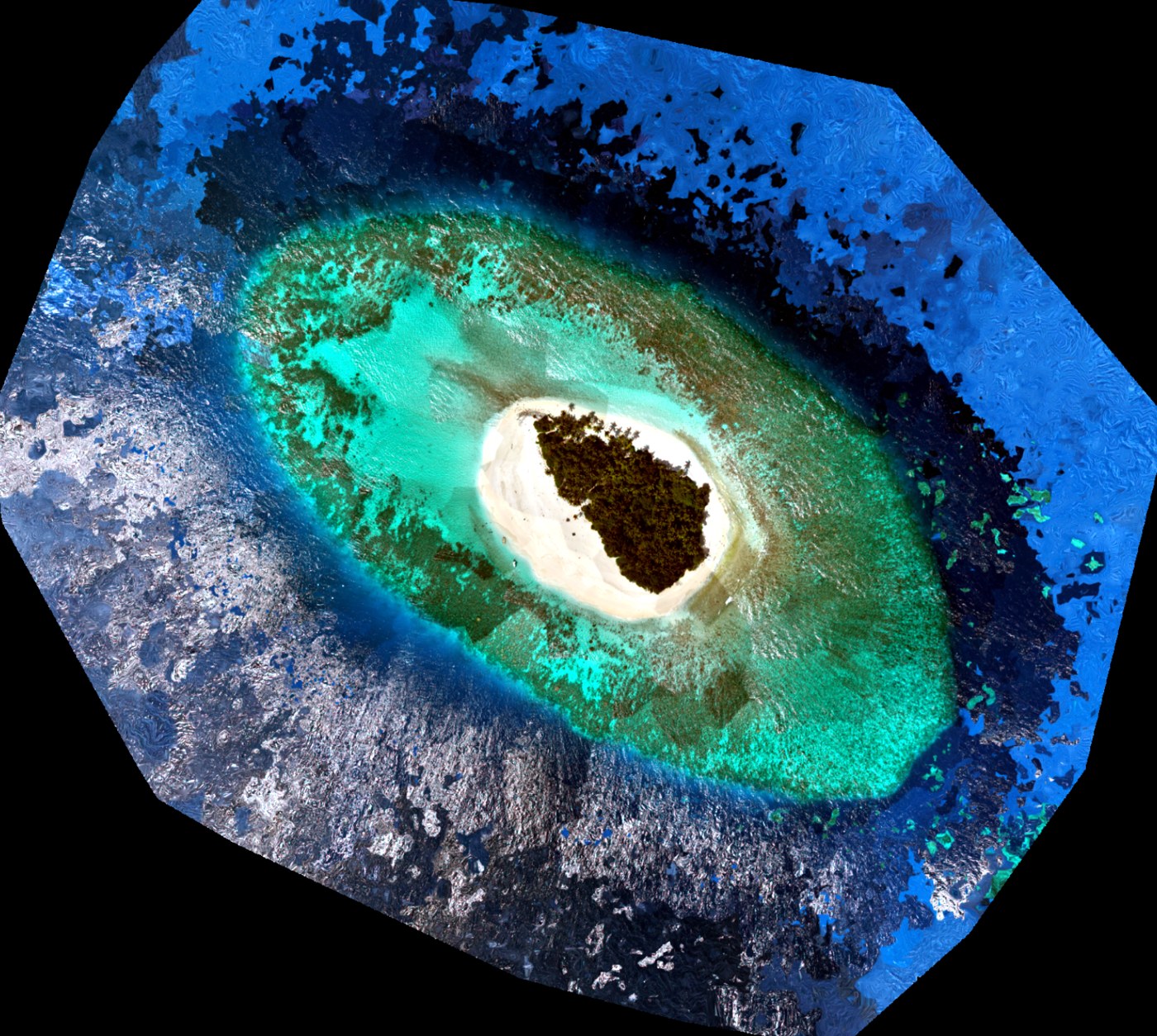
High-resolution remote sensing, Maldives
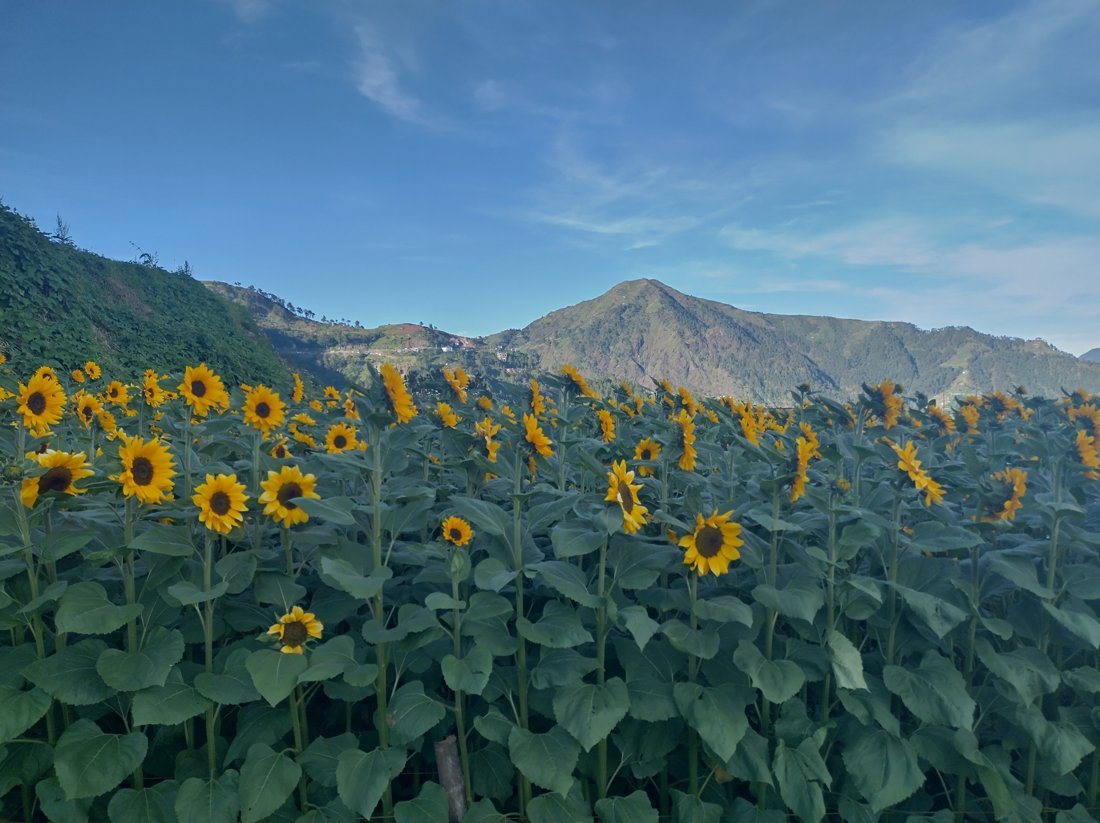
Sunset in the Cordillera, Philippines
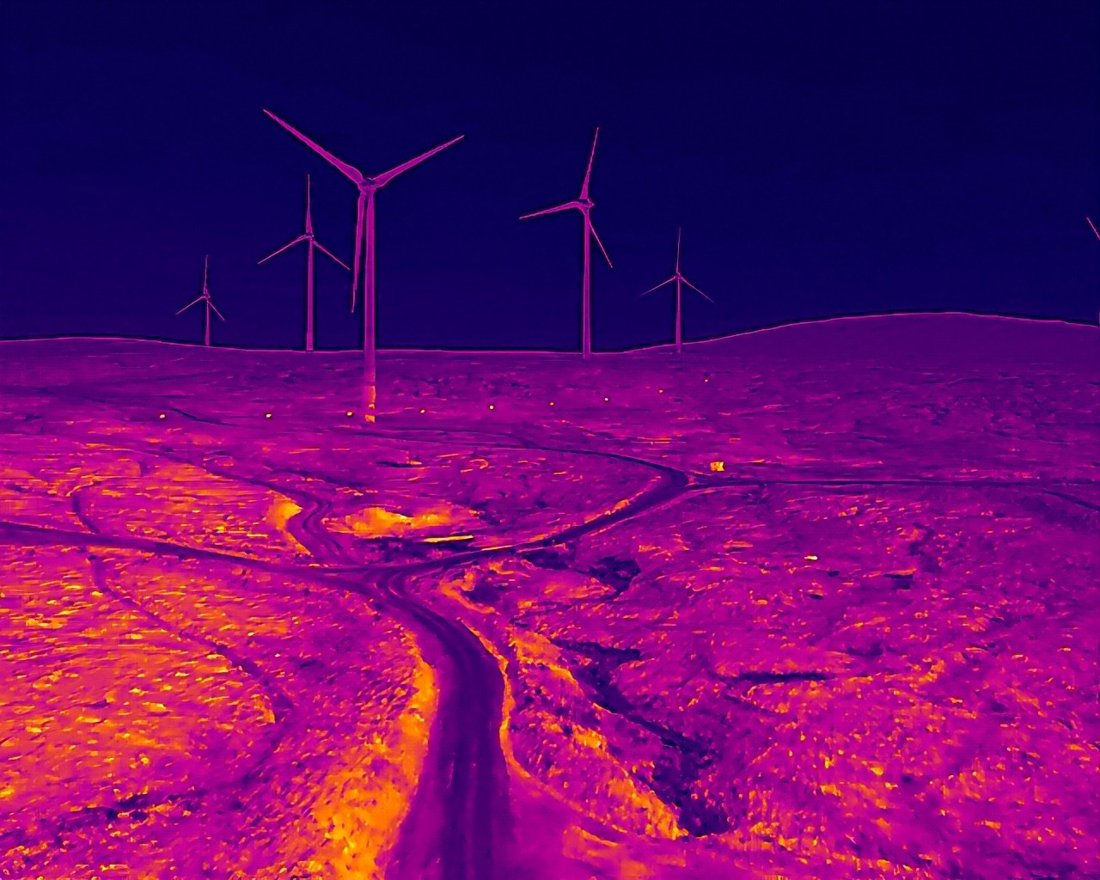
Thermal infrared observations, Scotland
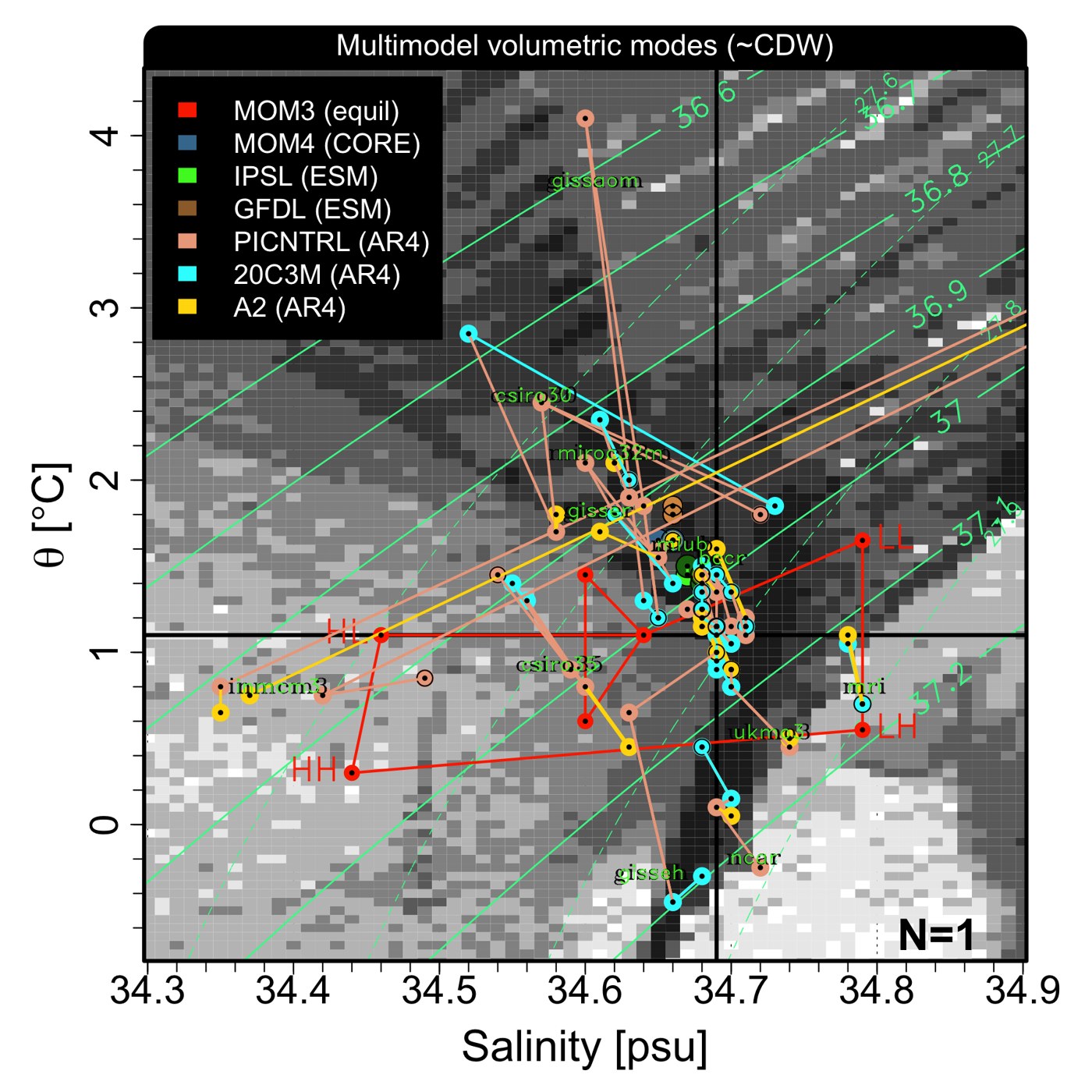
Ocean model intercomparison, Global
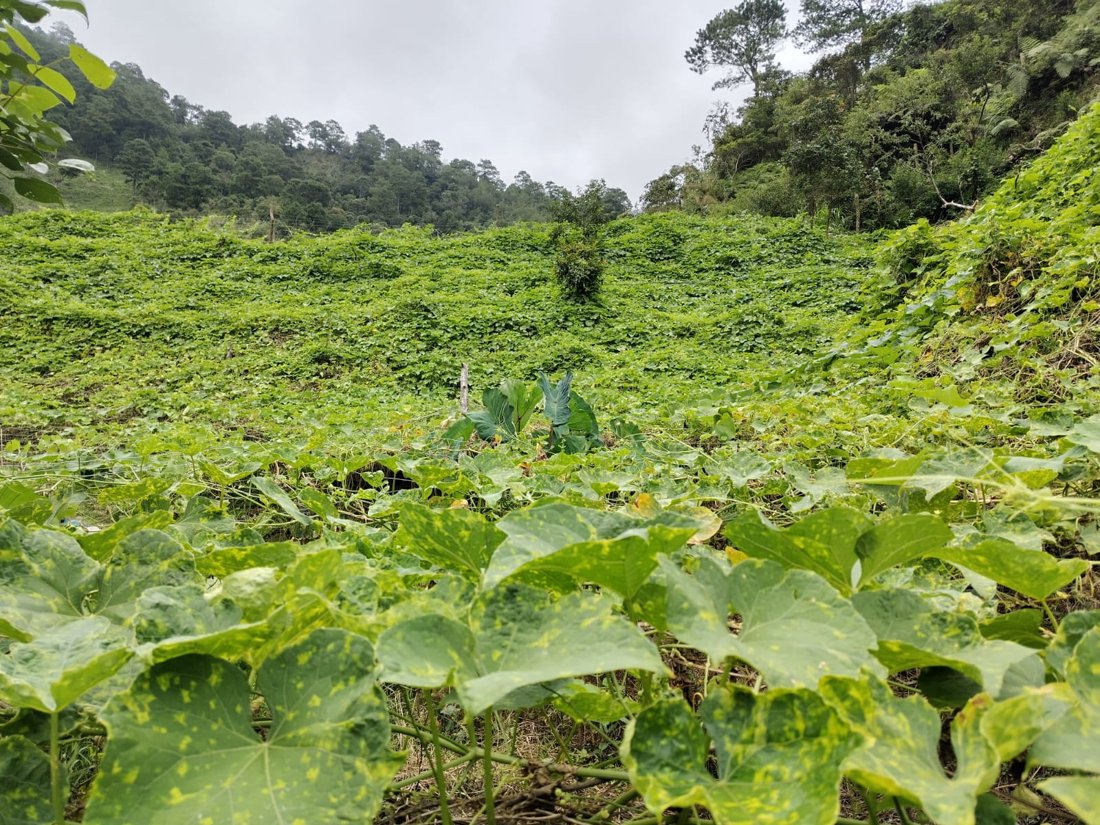
Chayote plantation, Philippines
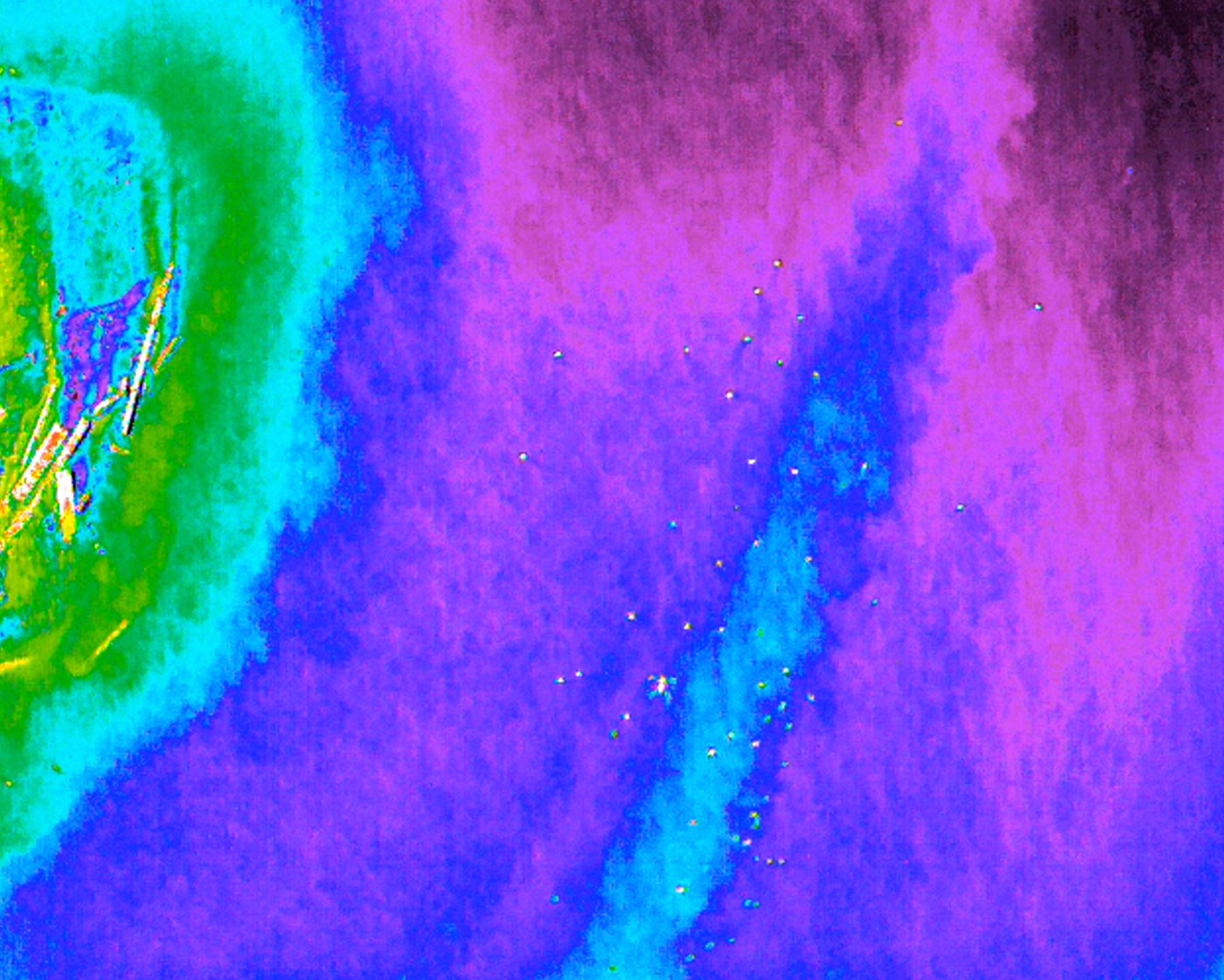
Thermal infrared and ocean tracers, Maldives
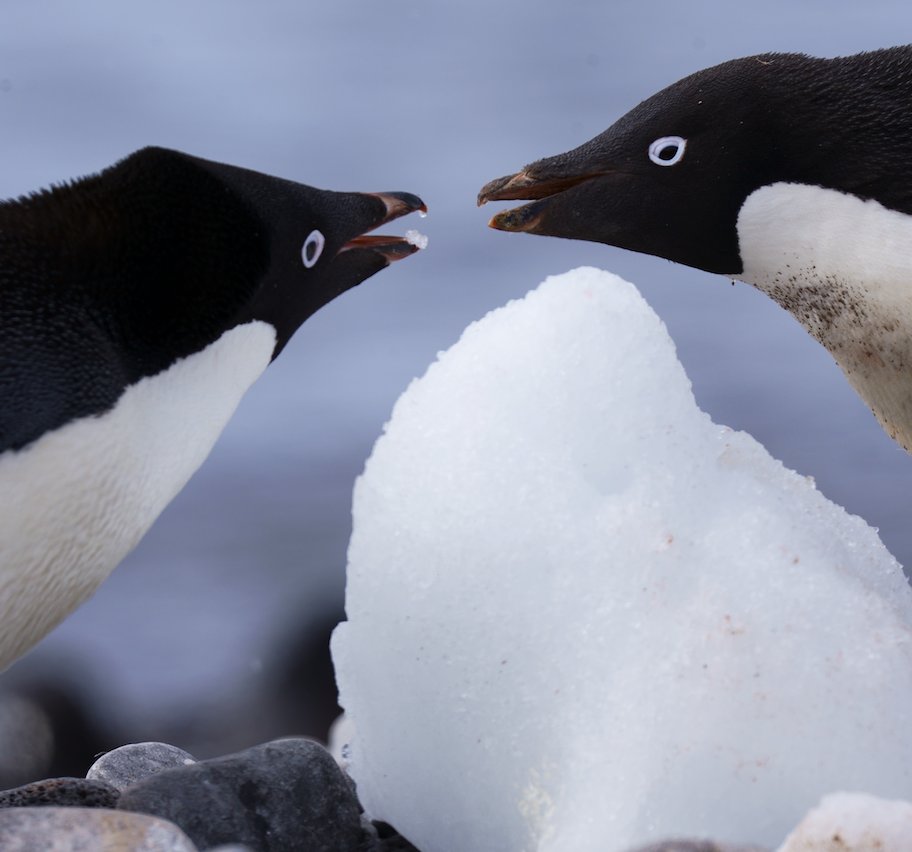
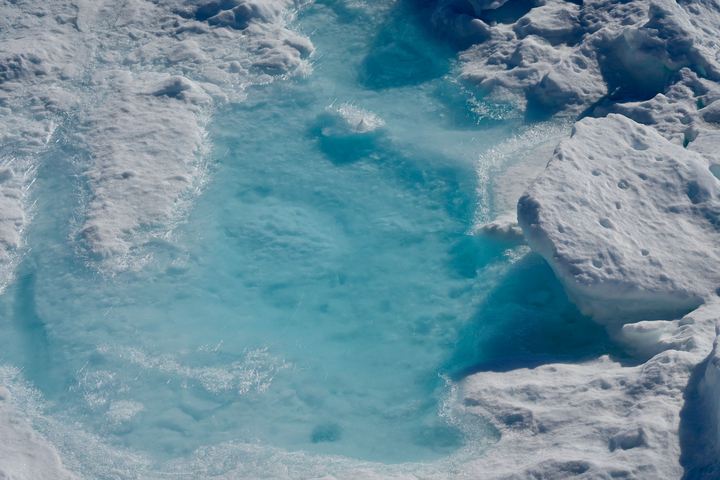
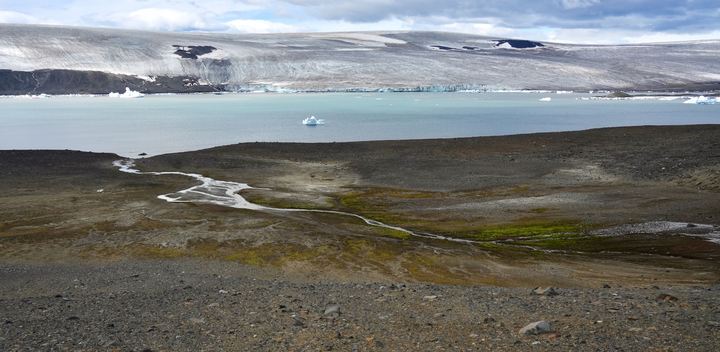
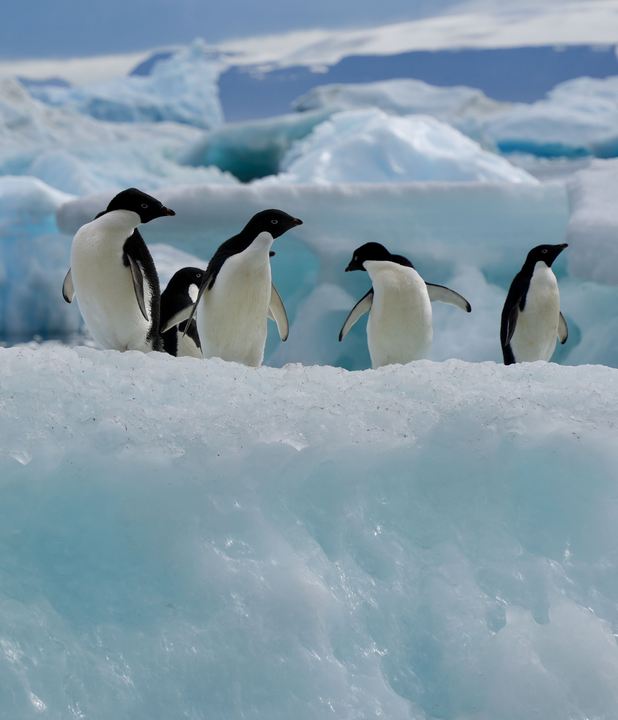
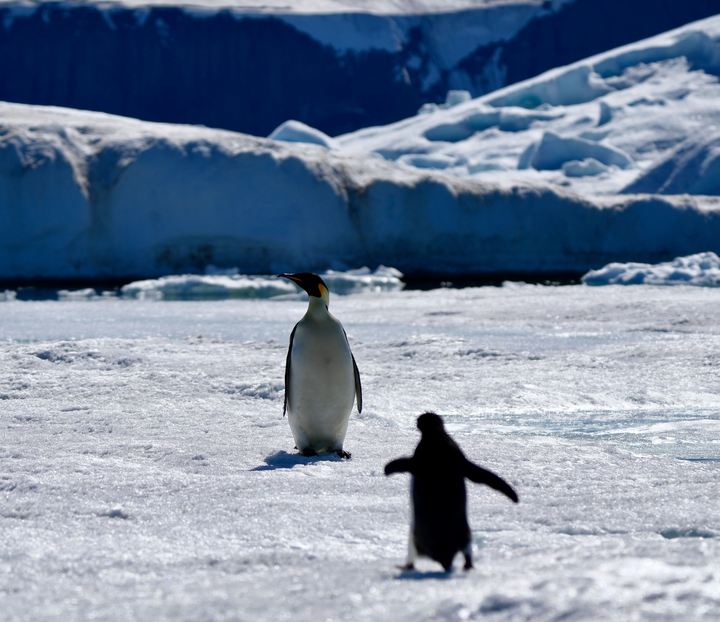
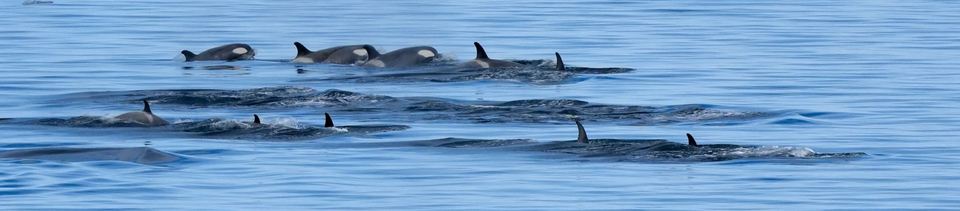
Polar ecosystems
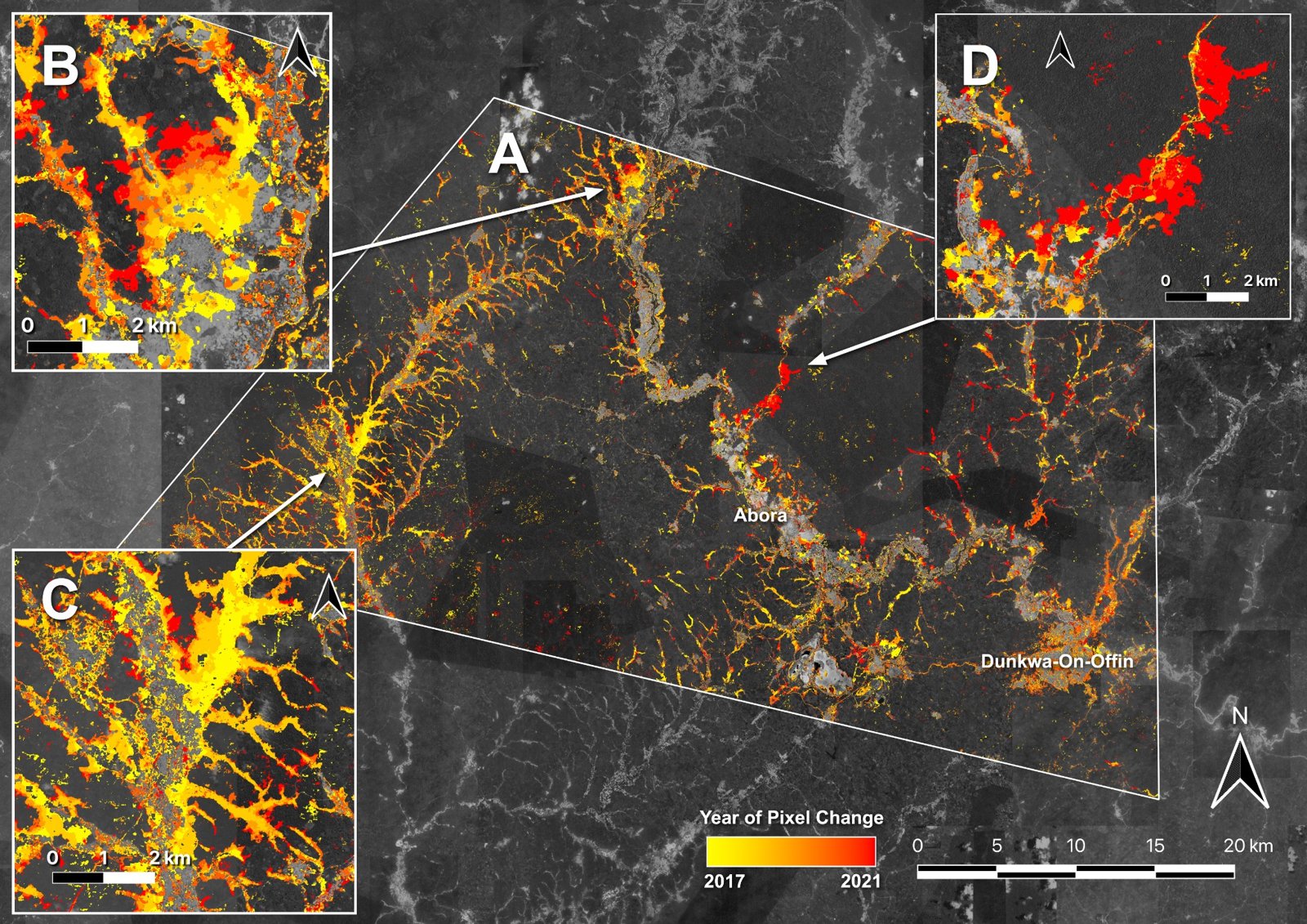
Deforestation due to illegal mining, Ghana
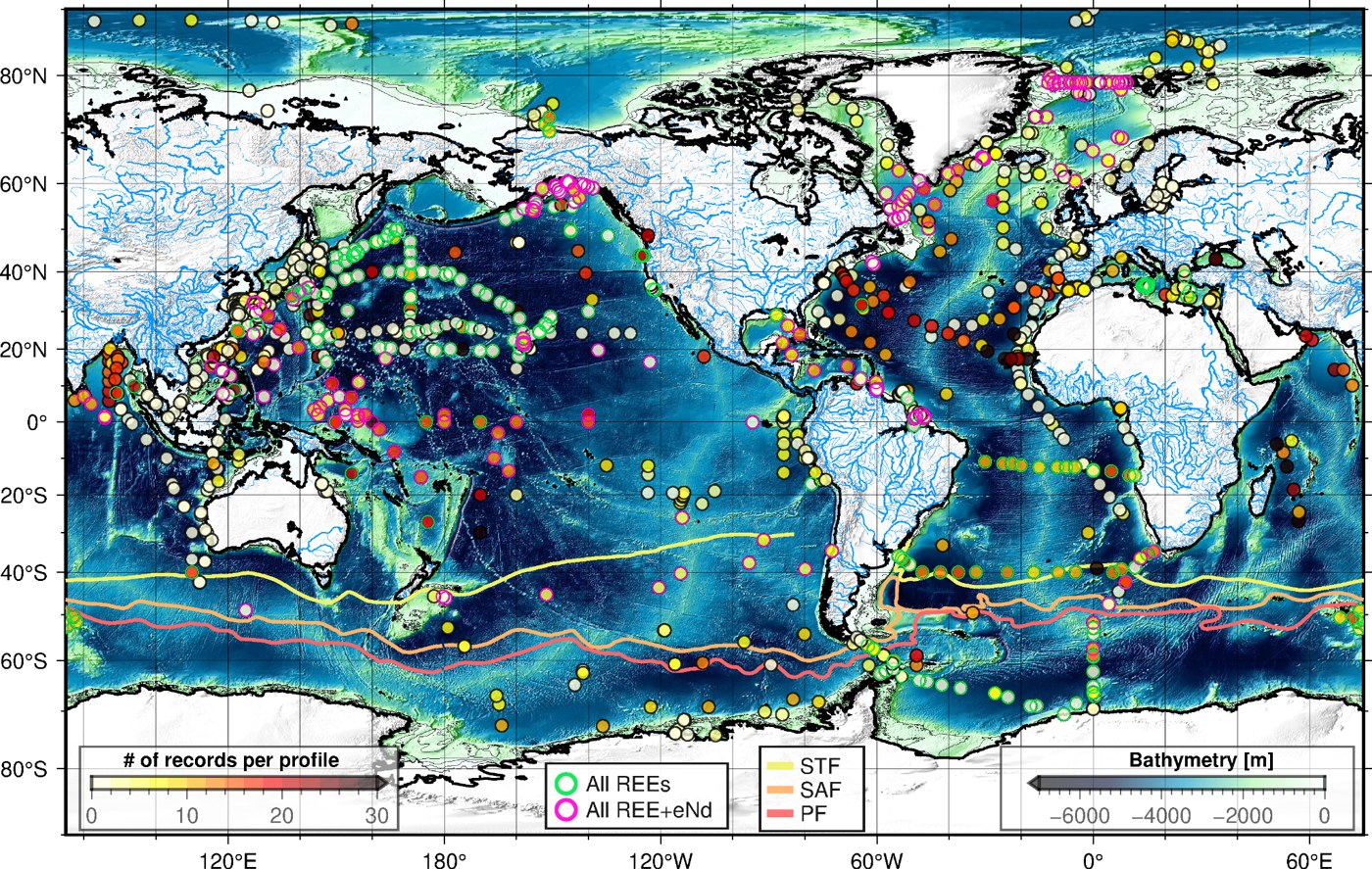
Global marine REE observations
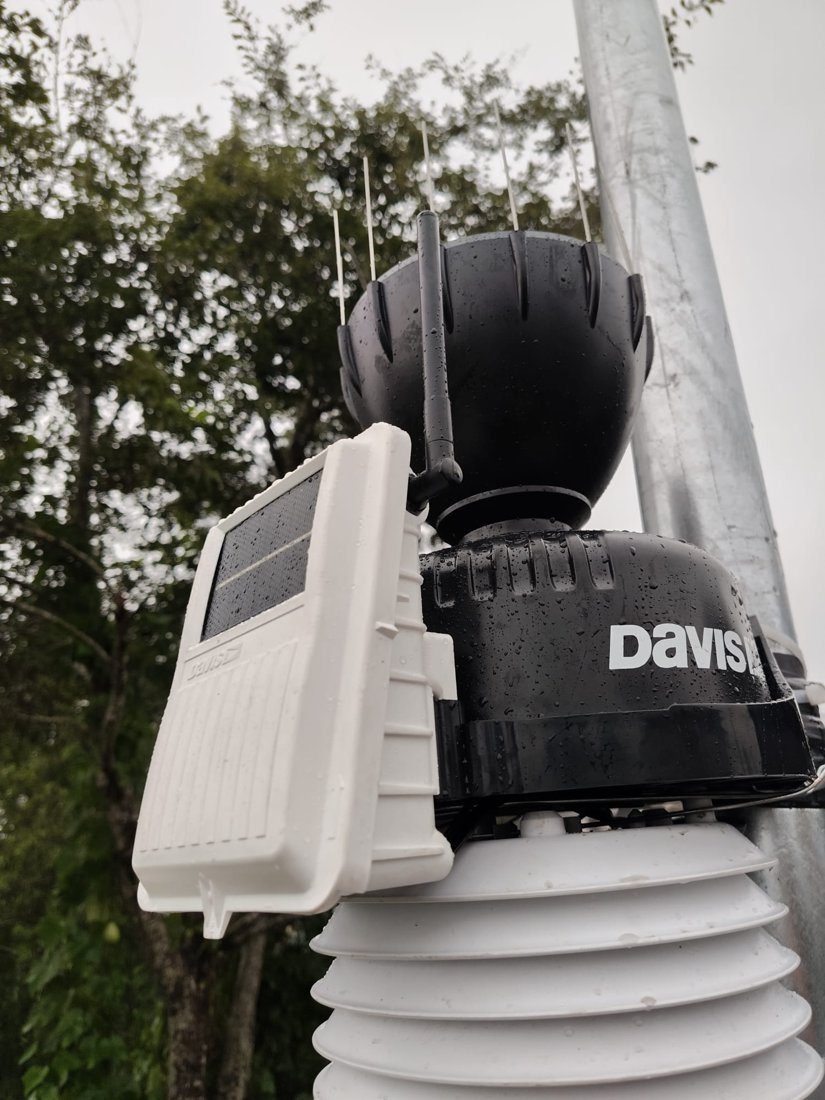
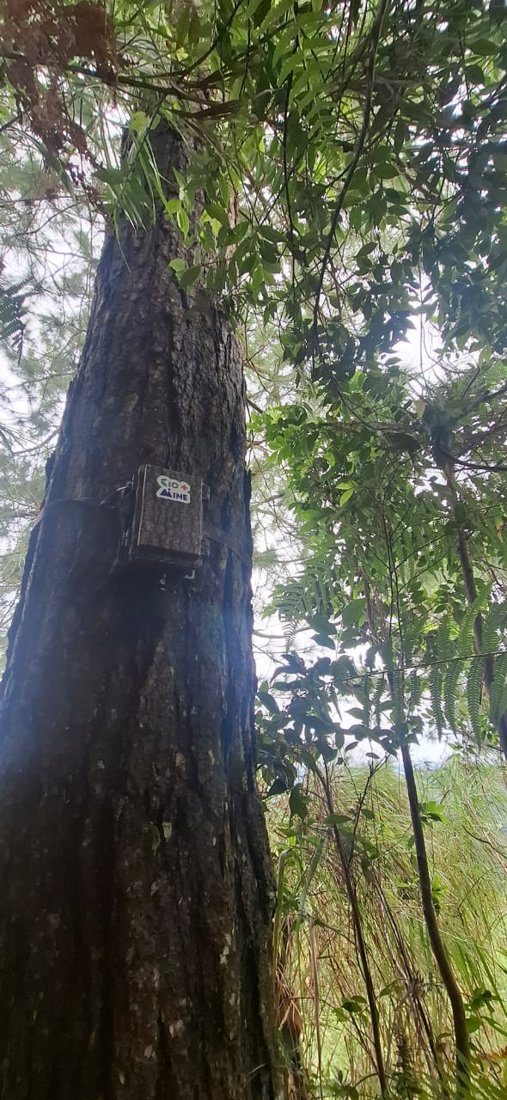
Installing weather stations, Philippines
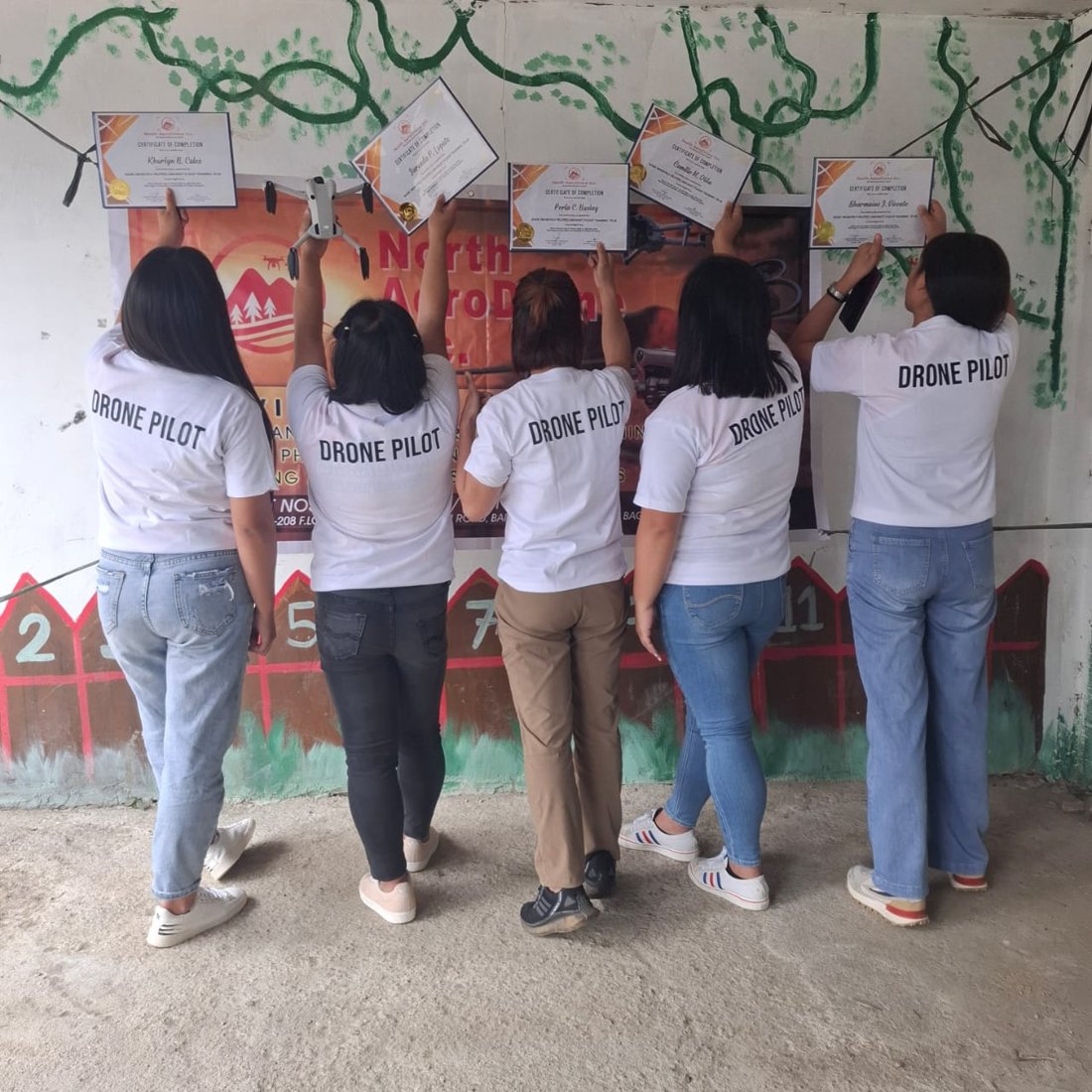
Drone pilot training, Philippines
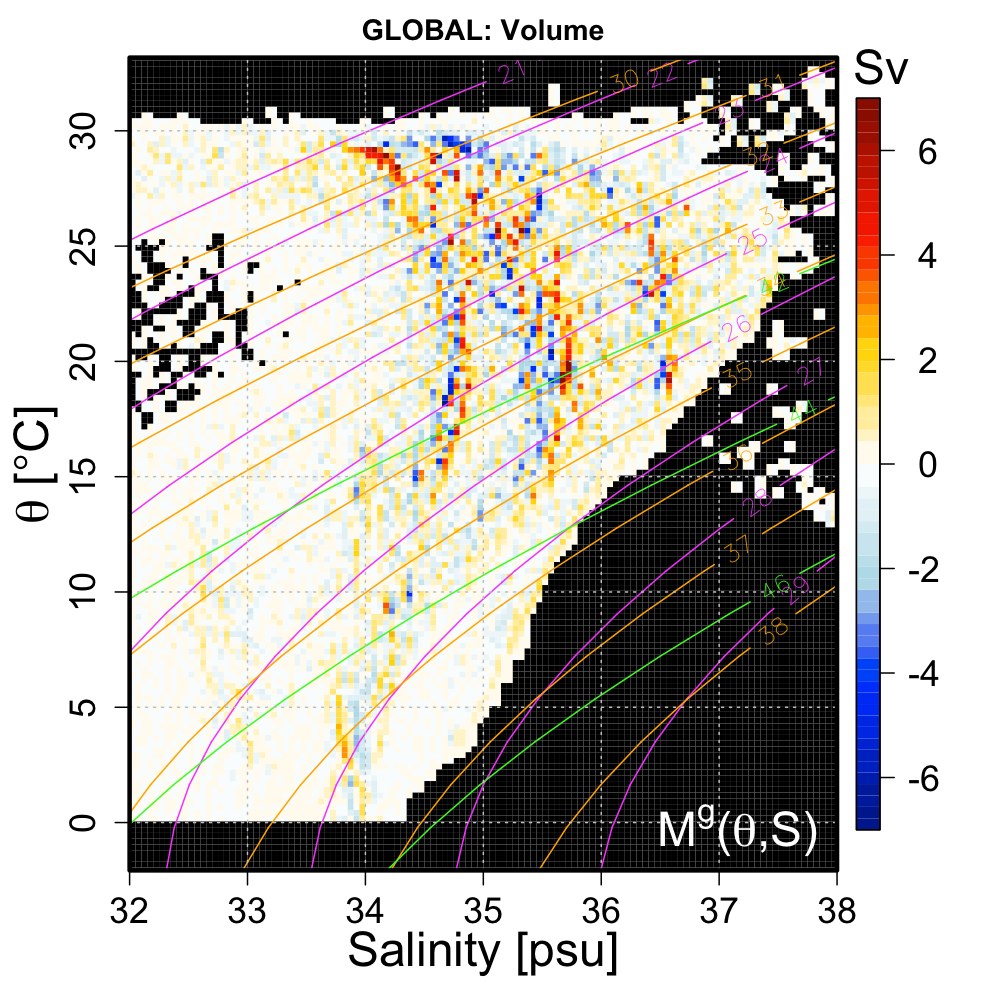
Diagnosing water mass formation
Temperate agriculture in tropical climates, Philippines
Acoustic monitoring
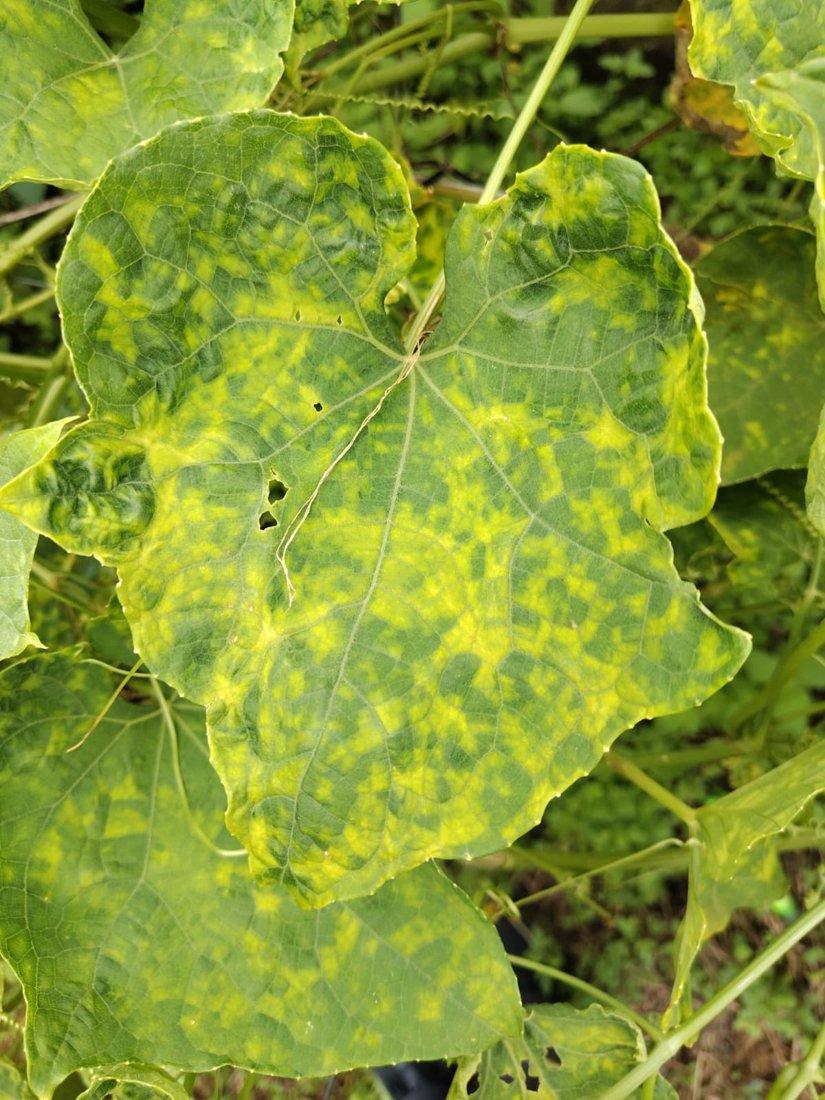
Stressed Chayote leaf, Philippines
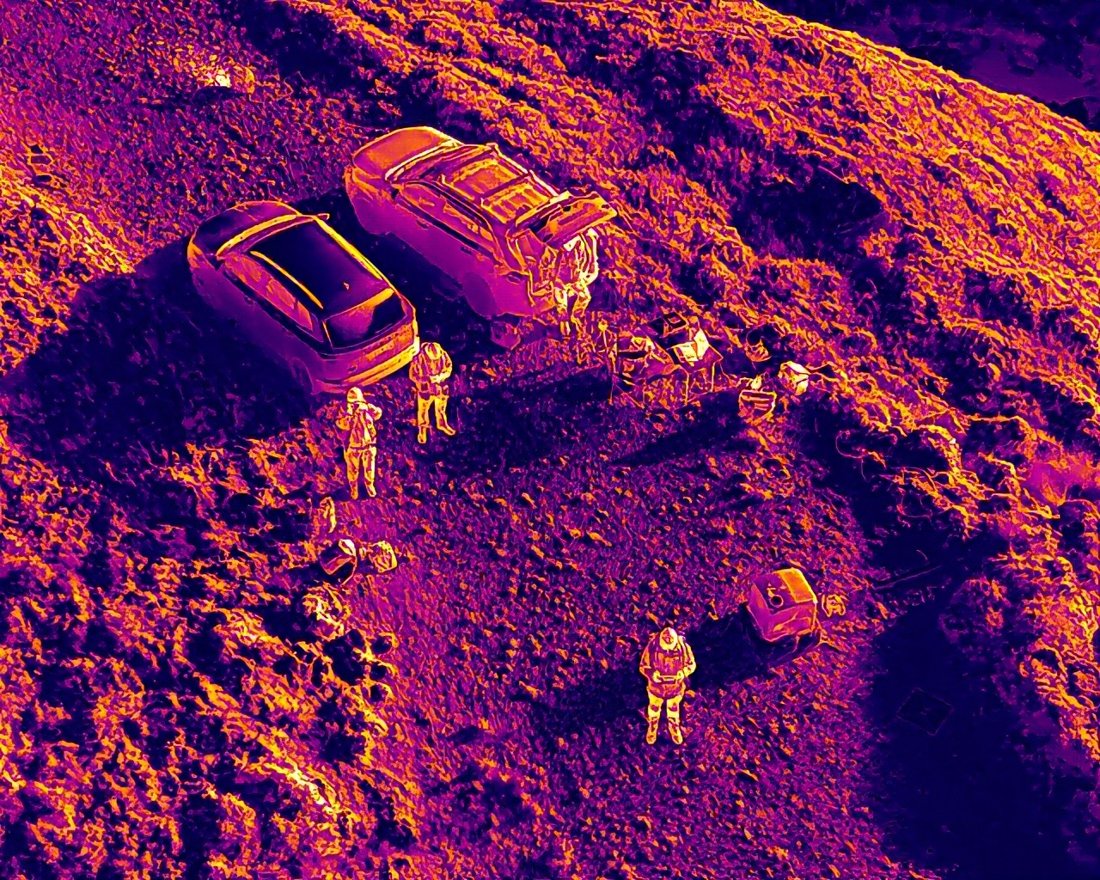
Fieldwork in infrared, Scotland
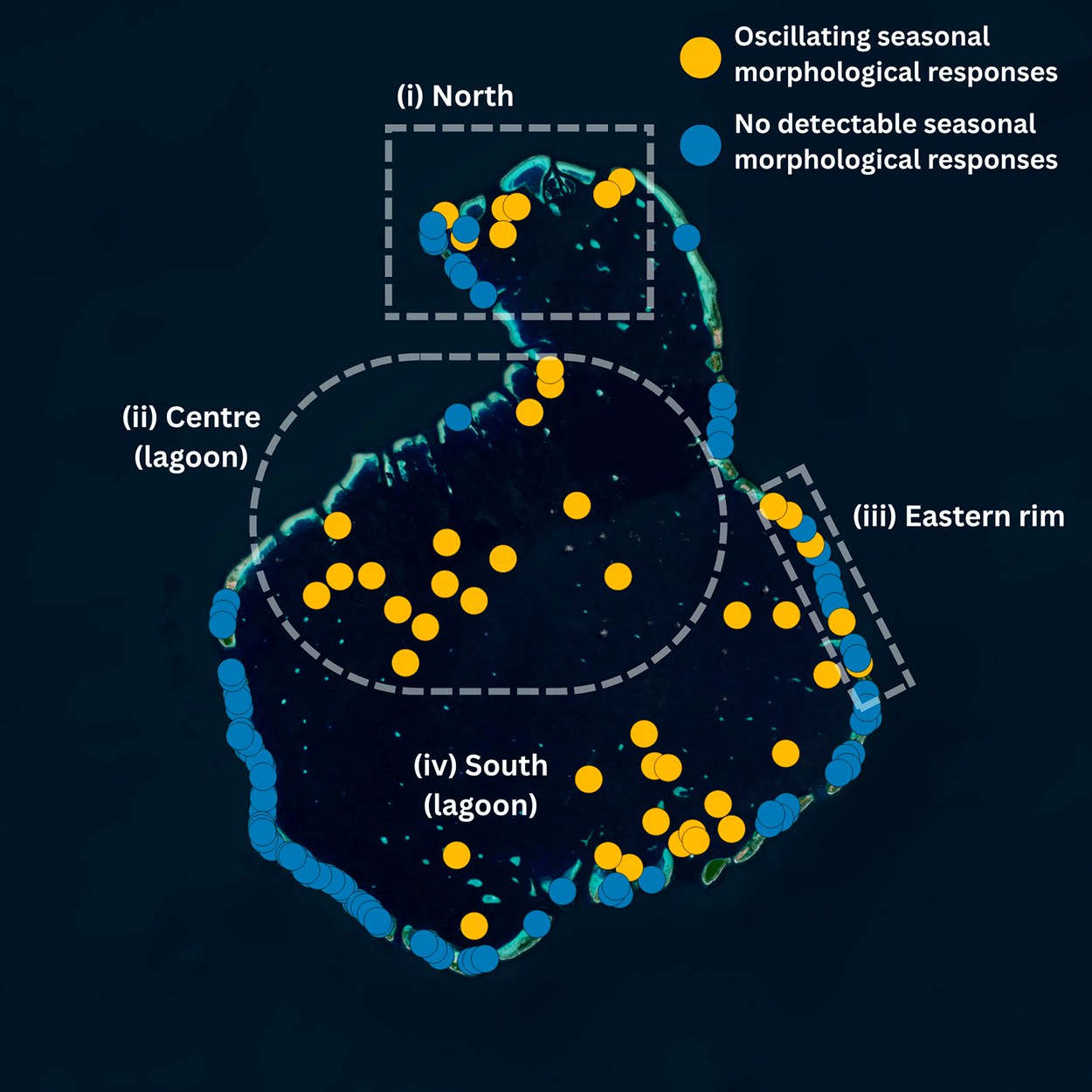
Seasonal island responses, Maldives
OBSERVE → DIAGNOSE → ANALYSE → UNDERSTAND
01 / LATEST MANUSCRIPT
Latest manuscript
A closer look at the newest journal article listed in the lab lead’s public ORCID record.
Selected from the public ORCID record.
BIOGEOCHEMISTRY / JOURNAL ARTICLE
Optimising nonlinear calibration of glass pH electrodes over the pH range −4.5 to 15.5 using improved statistical treatment of acid and alkaline errors
Saleesongsom S, Plancherel Y, Weiss D
Talanta · Published online 20 August 2026 · Issue February 2027
Glass pH electrodes lose accuracy in strongly acidic and alkaline solutions. This study compares seven nonlinear calibration models and identifies an asymmetric double-logistic function that describes electrode behaviour from pH −4.5 to 15.5 at 25 °C. Compared with conventional three-point calibration, it reduces extreme-pH bias by up to 3.0 units in acidic solutions and 1.5 units in alkaline solutions. Statistical tests identify a smaller set of calibration standards that maintains accuracy within ±0.25 pH unit at the extremes while cutting calibration time by at least half.
We combine field measurements, satellite and drone observations, numerical modelling and machine learning to diagnose environmental processes and their consequences.
01 / SPACE TO SURFACE
Earth observation & environmental AI
We develop ways to turn satellite imagery, drone observations and environmental data into insight on changing landscapes. Directions include ecosystem and natural capital monitoring, combining multispectral imagery with 3D LiDAR point clouds, and detecting resource extraction. These examples evolve as new observations, methods and environmental questions emerge.
Featured projects
PHILIPPINES
Weather data for resilience
Developing observational capacity and community-driven data tools to support agriculture and climate resilience in mountainous landscapes.
Satellite and drone observations, environmental measurements and community engagement support the rehabilitation of legacy mining landscapes in the Philippines. The lab contributes remote sensing and data integration within an international research partnership.
We investigate how ocean circulation, climate variability and coastal processes shape marine environments and low-lying reef islands. Illustrative directions include water-mass transport, island morphodynamics and coastal hazards in the Indian Ocean, combining field observations, remote sensing and numerical models. New questions connect processes across scales, from ocean basins to individual coastlines.
Featured projects
COASTAL RESEARCH / MALDIVES & CHAGOS
Reef islands in a changing climate
Satellite-based coastline analysis and numerical modelling reveal island morphodynamics, seasonal change and coastal hazards across the Maldives, with related research extending to Chagos.
Comparing three HadGEM3-GC3.1 ocean resolutions to investigate how model resolution represents Antarctic Intermediate Water and the contribution of eddies to Atlantic meridional salt transport.
We investigate the movement and transformation of elements through environmental systems, using trace elements, isotopes, laboratory measurements and models. Examples range from ocean biogeochemistry and environmental sources and sinks to chemical measurement methods and mine-water treatment. These directions provide a starting point for new questions about chemical processes and environmental change.
Featured projects
CHEMICAL MEASUREMENTS
Reliable pH measurements at extreme conditions
Improving glass-electrode calibration in strongly acidic and alkaline solutions through nonlinear modelling and statistical treatment of measurement errors.
Developing nonlinear, temperature-corrected calibration of glass pH electrodes for strongly acidic solutions, where conventional linear calibration becomes unreliable.
We develop models that connect material stocks, metal cycles and economic dynamics to understand resource use and the low-carbon transition. Research directions include dynamic and probabilistic representations of production, trade, use and recycling, with isotope geochemistry offering additional constraints. These approaches open further questions about resource movements, circularity and changing industrial systems.
Featured projects
GAMBARO ET AL. · RESOURCES POLICY · 2025
Simulating resource movements and markets
Developing dynamic models of anthropogenic metal stocks and flows to investigate resource movements, recycling and market behaviour.
A Bayesian framework for estimating material stocks and flows with multiple levels of disaggregation, combining incomplete and uncertain data with explicit uncertainty quantification.
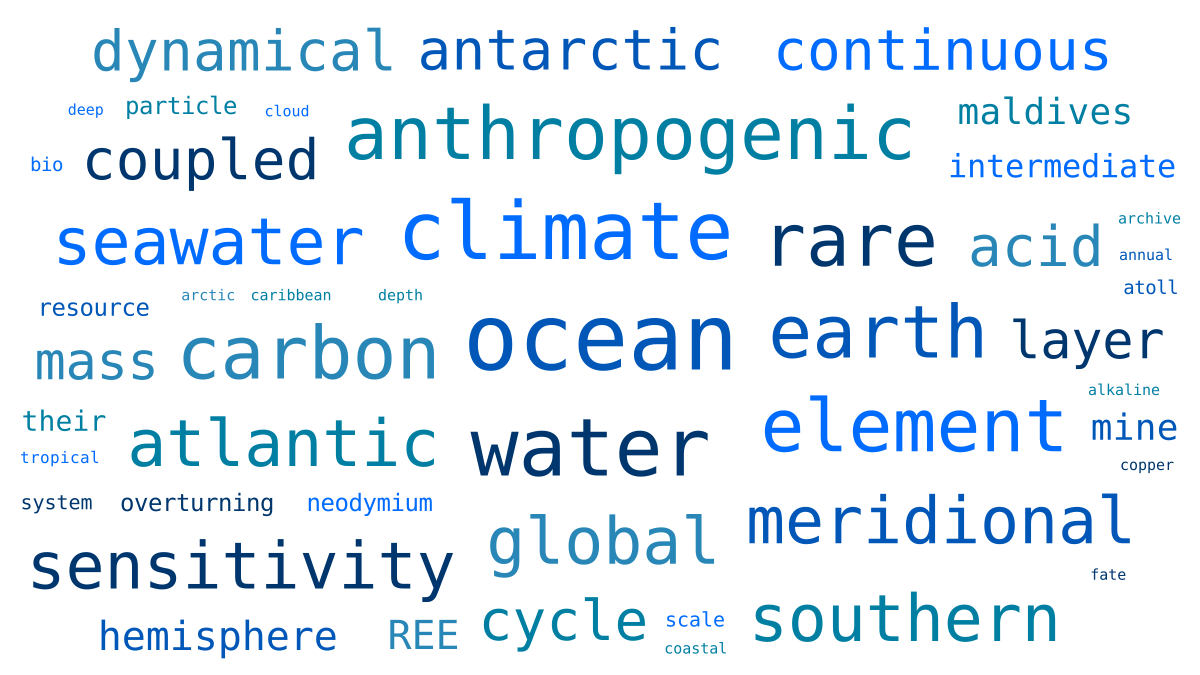
Word size reflects the number of papers containing each term. Updated as our publication record grows.
How this is calculated
Based on titles for consistent coverage, rather than selectively available abstracts. Common and generic words are removed; selected word variants are combined. The publication list is checked with the daily content refresh.
03 / THE LAB
Interdisciplinary science. Shared curiosity.
Based in Imperial College London’s Department of Earth Science and Engineering, ENDIAN brings together research across environmental data science, oceanography, geochemistry and resource systems.
We work with doctoral and master’s researchers, academic collaborators and partners in the UK and internationally.
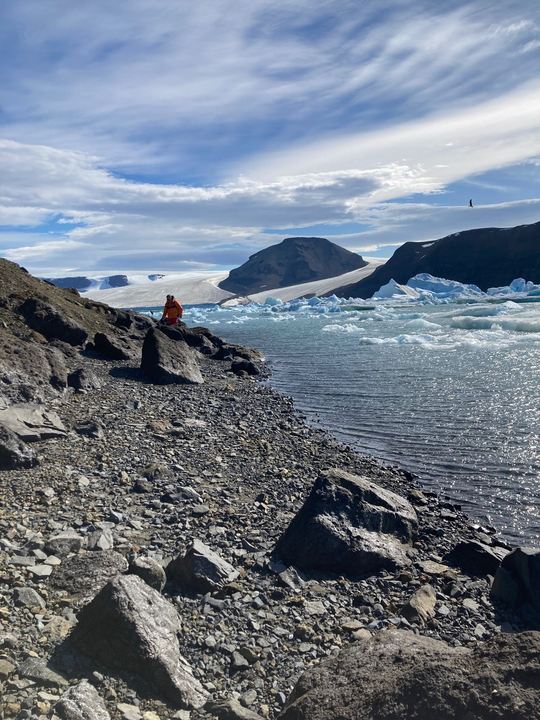
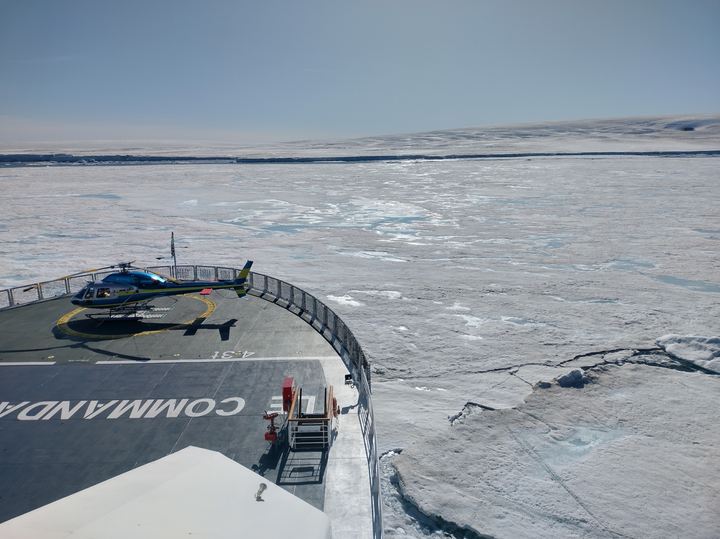
Field observations and drone surveys bring environmental questions into focus. Working across landscapes and with local partners connects measurement, interpretation and shared scientific skills.
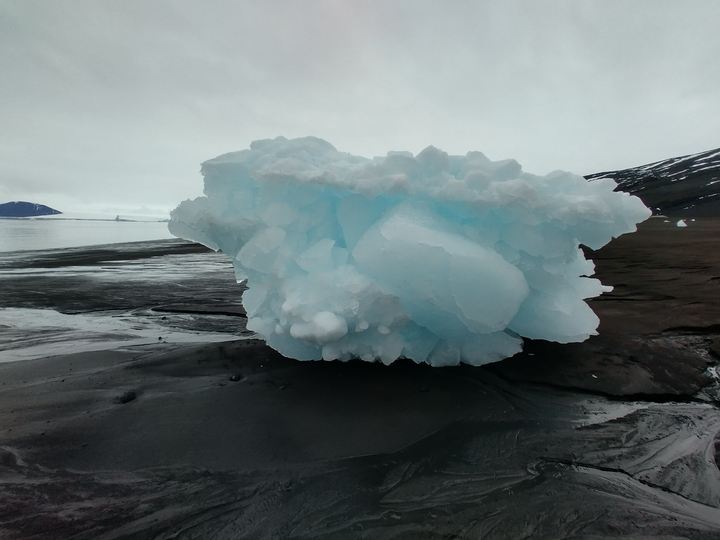
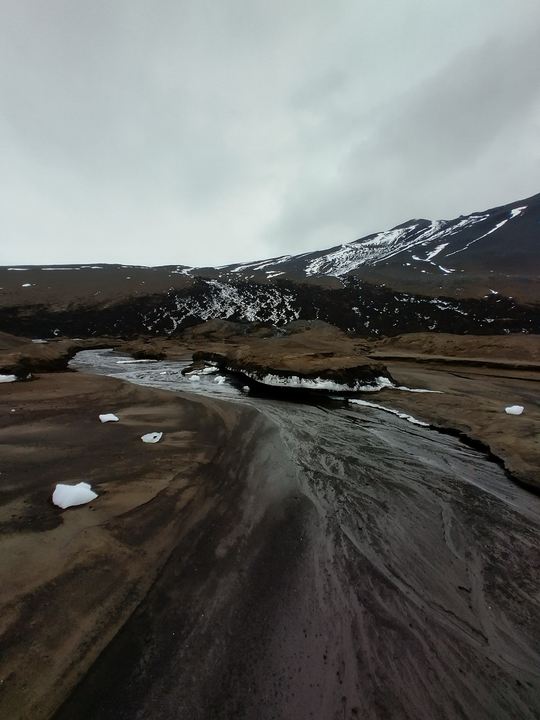
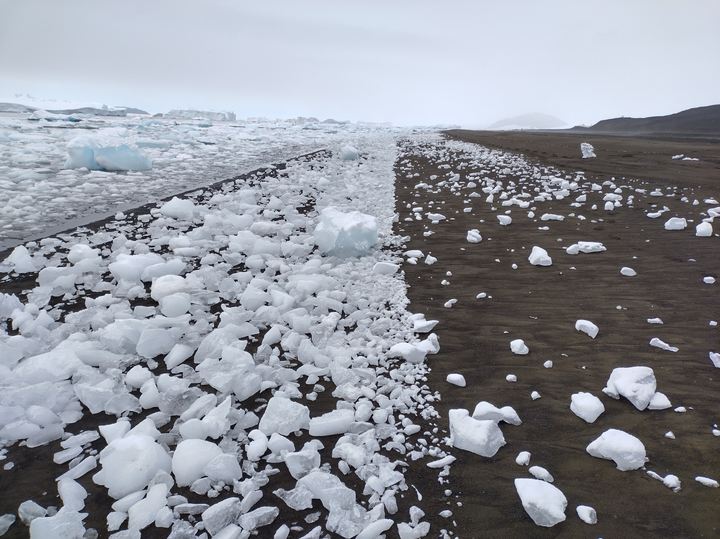
Drone fieldwork in Antarctica.
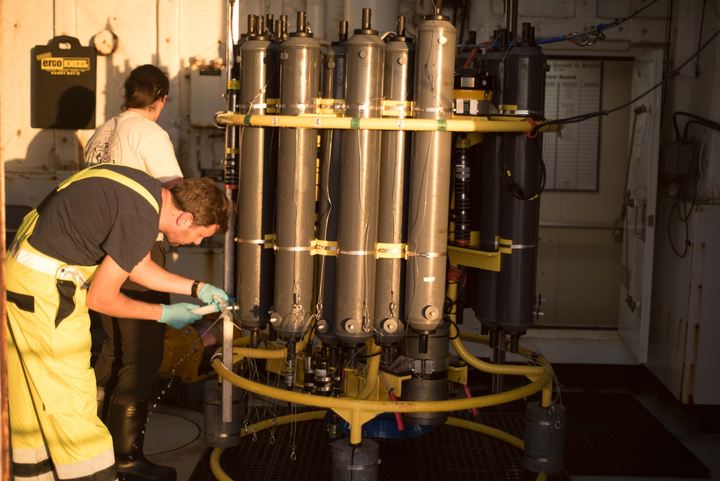
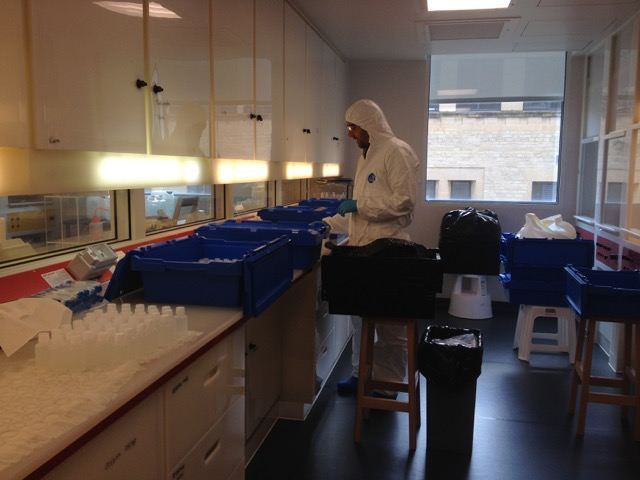
From water sampling and laboratory work to ice, coastlines and marine ecosystems.Observations begin in the field.
04 / CONSULTANCY
Research expertise. Practical insight.
Yves is also available as a consultant through Imperial Consultants (ICON). Contact him to discuss your technical challenge and how his research expertise could support your organisation.
MINING & INNOVATION
Mine 2.0, Brazil
Past consultancy projects include delivery of the Mine 2.0 programme for Vale in Brazil, in partnership with MIT and SENAI CIMATEC.
DRONE TECHNOLOGY
Testing observational technology
Past work also includes testing drone technology in partnership with DNV and Greencoat.
Explore postdoctoral and PhD opportunities in environmental science and quantitative methods. Choose the route that matches your career stage and read the application guidance below.
If you are interested in joining the group as a postdoc, contact Yves with the following in your first enquiry:
A current CV, outlining your research experience and outputs.
A proposed research project, describing the questions you want to address, your proposed approach and how the project connects with the group’s research.
A funding plan, identifying the fellowship, funding scheme or other source you intend to pursue, any published deadline and your proposed start date.
Interested in a PhD at the intersection of environmental science and quantitative methods? Explore the advertised projects and contact Yves to discuss fit and funding.
Loading opportunity update status…
01 / INDUSTRIAL ECOLOGY
Dynamic Isotopic and Probabilistic Modelling of Global Metal Flows
Integrating isotope geochemistry, Bayesian inference and system dynamics.
Yves Plancherel · Rupert Myers · Pablo Brito-Parada · Kolyan Ray02 / ENVIRONMENTAL AI
Integrating Multimodal Very-High-Resolution Data for Ecosystem Intelligence and Natural Capital Monitoring
Connecting complementary observations to understand ecosystems.
Yves Plancherel · Matt Piggott03 / ENVIRONMENTAL FORENSICS
Data-Driven Detection and Attribution of Illegal Resource Extraction
Remote sensing and data science for environmental monitoring.
Discuss your research idea - let's optimise it together
Prospective PhD applicants must attach the following documents to their first email:
A current CV.
A copy of your academic transcripts.
A two-page personal statement, structured as follows:
Page 1 — Your motivation: explain why you want to join the Environmental Diagnostics and Analysis Lab and Imperial College London. Be specific about your interests, relevant experience and connection to the group’s research.
Page 2 — Your research outline: outline a research project you would like to pursue. If you are applying to an advertised project, explain your views on that project, including the questions you find important and how you might approach them.
These documents provide the starting point for a substantive discussion before a formal application.
Finding funding
Explore national, foundation and multilateral funding alongside your research plans. Our external shortlist identifies full-tuition overseas routes, eligibility restrictions and award duration.
Attach all three documents before sending your email.
Projects are checked automatically against Imperial’s listings. If a project disappears, its availability is marked for confirmation rather than silently removed. Confirm funding and eligibility with the supervisor.
06 / SUPPORT US
Support discovery. Build environmental capability.
We welcome philanthropic support and are keen to engage with industry. Help develop the observations, people and methods needed to understand environmental change.
PHILANTHROPIC SUPPORT
Invest in questions that matter.
Individuals, foundations and other donors can help advance the group’s research, expand environmental observation networks, support fieldwork and equipment, and create opportunities for researchers and local partners.
Contact Yves directly to discuss the difference you would like to make. Together, we can identify priorities and explore how a gift through Imperial could support them.
We are interested in partnerships around environmental observations, remote sensing, data science, biogeochemistry and resource systems. Collaboration can involve jointly developed research, co-funded doctoral or postdoctoral work, access to data and equipment, and knowledge exchange.
Start with a conversation about your challenge, the scientific questions and the resources each partner could contribute. We can then develop the scope, funding plan and timetable, and work with Imperial’s relevant teams to agree arrangements for intellectual property, data, confidentiality and publication.
These examples illustrate ways to combine university expertise and partner investment. Contact Yves early to assess research fit, eligibility and institutional support.
01 / EPSRC
Prosperity Partnerships
A route for substantial, long-term business–university research within EPSRC’s remit. Partners develop a shared programme and businesses provide cash co-investment. Current call terms determine the required contributions and application process.
A business and academic partner work with a dedicated associate to apply research expertise to a strategic business challenge. Government funding supports part of the project, with the business contributing to its cost.
Four-year doctoral studentships developed with an academic partner and an EPSRC-selected industrial sponsor. Access depends on a sponsor’s allocated studentships; this is not an open application route for every business. Other co-funded university or doctoral-training partnerships may also be worth discussing.
For environmental research, a non-academic partner can contribute to a doctoral project and provide experience beyond the university. Potential partners engage through institutions with relevant NERC studentship funding and their doctoral-training programmes.
Illustrative schemes, not a list of currently open calls. Availability, eligibility, contributions and deadlines must be checked against the funder’s current guidance. Philanthropic gifts and sponsored research follow the appropriate Imperial processes.
Department of Earth Science and Engineering Office 4.44 · Royal School of Mines Imperial College London · Prince Consort Road South Kensington, London SW7 2AZ, United Kingdom